
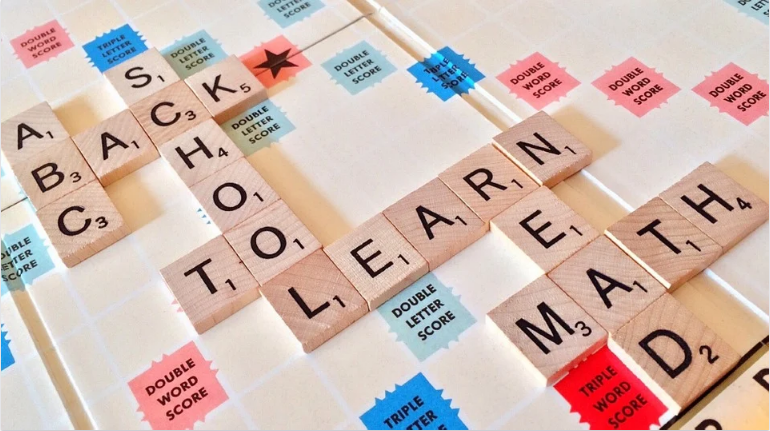
Maybe it’s been a few years since you have played scrabble, or you might need some strategies on how to get added points from each tray. People can now play online with my loved ones and friends. This scrabble guide will help expand our expertise in scrabble. If you want to know more, keep on reading:
Embrace the Letter Q
Look for Prefixes and Suffixes
 It’s often easy to overlook the use of prefixes when playing scrabble. It is an outstanding concept to shift possible prefixes to the spare tray. This strategy will help prepare your brain to see the possible moves together. You can place these words on the best sides of the board. These are just a few samples of both.
Create Compound Words
 Words that come together to make you. Keep an eye out for any compound words on the board. Whenever someone plays with a word, do a quick mental exam, and discover if there are some words you can attach to the beginning or end of that word to make a second sentence. This strategy is one idea of why mixing up the words and letters on your board is brilliant. Depending on who you are competing against, they may assume you’ve been playing all along where you can add a D, an S, or because the final letter, in this case, an S at the beginning.
Master Two-Letter Words
Would you compete against a player who applies two-letter words? They use them as fasteners that help them relate to another phrase. Judging these catchwords will shortly open up many probabilities, as you can use them to form sentences in your subject rather than on the board. Of course, there are the words you use every day, such as To, Could Be Along With My, but you will also come across several vague words that you will need to keep in your arsenal of possible hangers-on. You don’t have to be aware of what this means if you don’t want to be. They can be useful for putting a hook at the beginning or end of a word or ideal for drama.